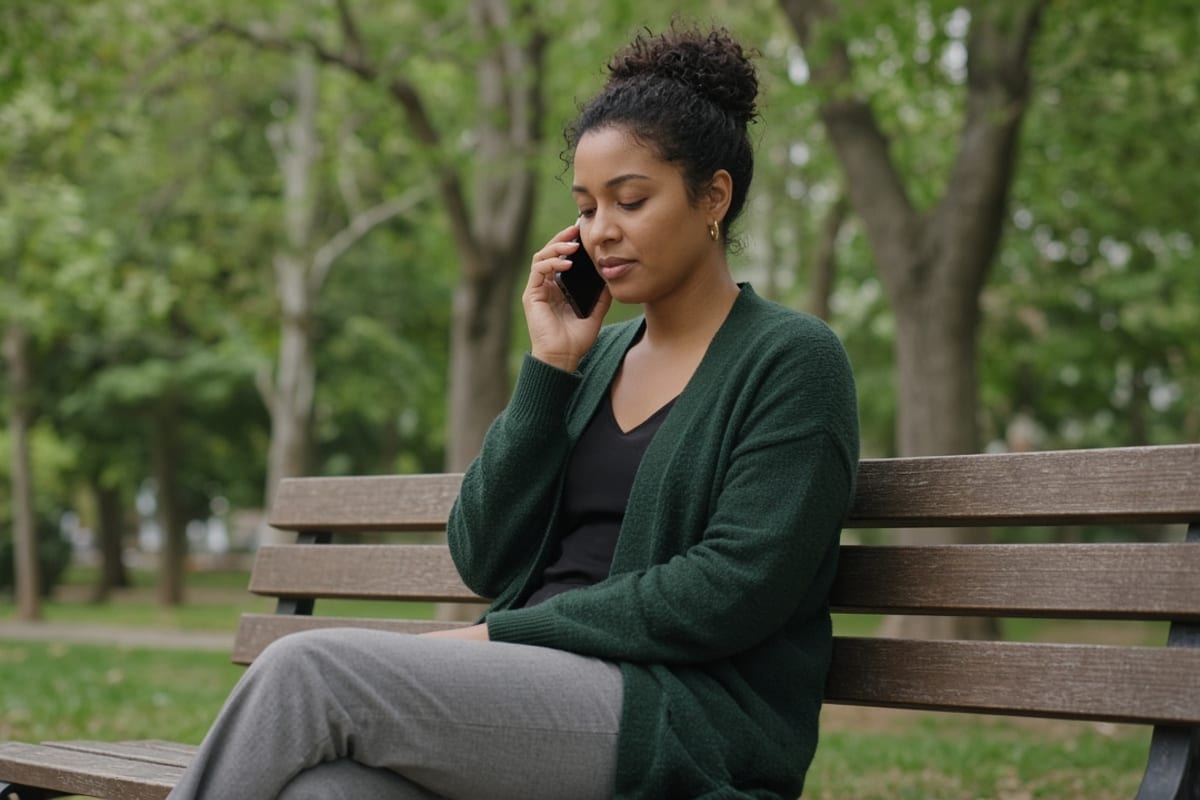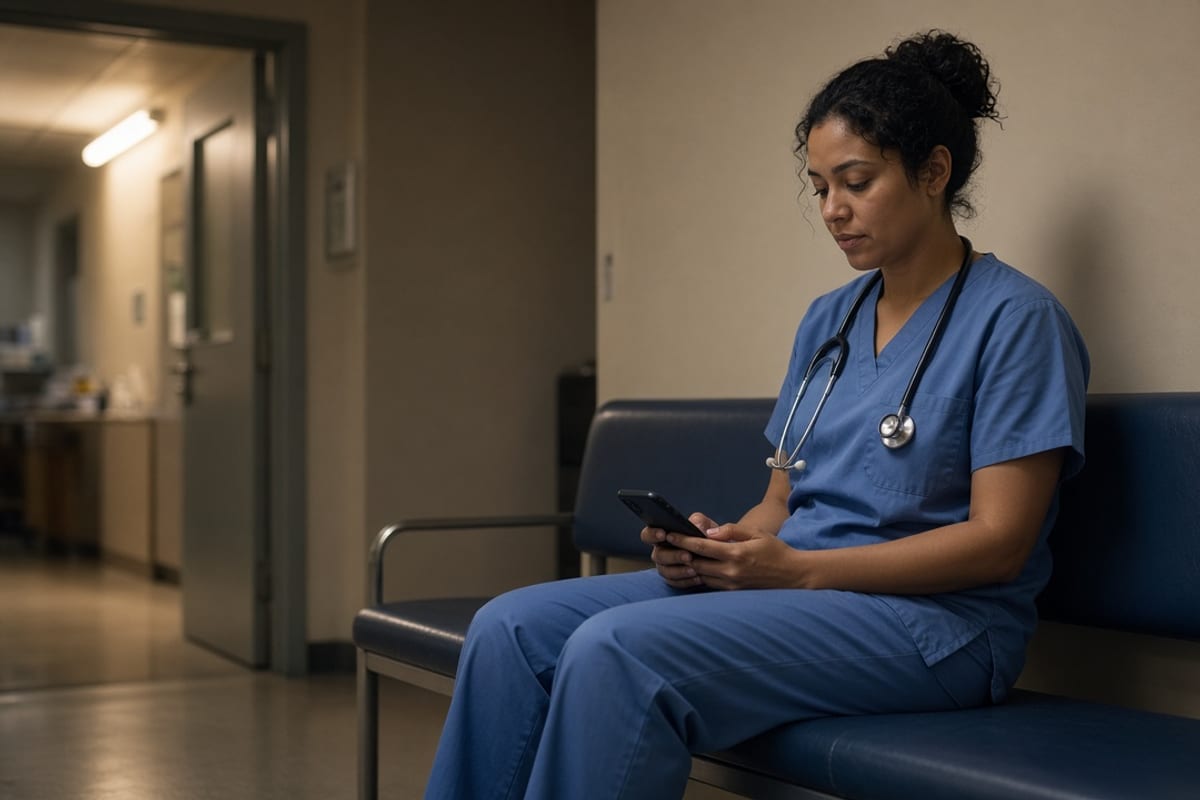
Hospital and health-system employees work around patient care. Nurses, techs, EVS, food service, clinic staff, and unit clerks are on nights, weekends, and rotating shifts. A desktop at a nurses' station is shared, public, and not a place to read an HSA email. The benefits message has to survive the shift, and it still has to reach the household that books the appointment.
The delivery problem matches deskless and frontline employees, with a clinical calendar on top. People in this workforce are tired. Read employee burnout before you add a mandatory wellness module on a day off. They also skip support they qualify for. The note for that gap is mental health benefits communication, written so a supervisor never sees the topic of a call.
Care sets the clock
Build the calendar from staffing, not from HR office hours. Day, night, weekend, and the swing between them. A message sent at 10 a.m. on a Tuesday reaches people coming off a night shift only if it is still there, on a personal phone, when they wake up. It does not reach them because it sat in a unit inbox. Assume overtime and a full census. The person you most want to inform is the person least able to attend a meeting. Write the plan for that person first. Headquarters staff can join the same page. They do not need their own earlier deadline.
Shared workstations are a privacy problem as much as a time problem. An EAP page left open on a station screen is an incident. Put every personal action on a phone that belongs to the employee. Use a QR at a badge area, a break room, or a staffing entrance, aimed at a page that opens without a work password. Keep the QR's first screen free of anyone's name or balance. If they need to log in later to finish an election, say that the private step happens on their phone, not on the unit computer.
Clinical skill does not enroll the employee plan
Clinicians know how care works for patients. That knowledge does not automatically translate into using the employee EAP, the navigation line, or the preventive benefit on their own ID card. Those programs were probably explained once, in an HR email, during a shift they were on the floor. Speak to the employee role. "This nurse line is for you and the people on your plan. It is separate from the line you call for a patient." Confusion between the two numbers is common and expensive. Print both numbers and label them.
For the EAP, copy the privacy sentence your vendor published. Say who can see that a call happened, and who cannot. If you cannot say it from the contract, do not guess, and do not promise anonymity you have not verified. Clinicians will not call if they think a manager, a peer, or medical staff credentialing will see the topic. Point supervisors at manager communication: they may share the number, they may not ask why someone used it. Preventive screenings get their own note, with a scheduler that works after a night shift, following preventive care communication. Do not fold a colonoscopy reminder into an EAP poster.
Shift-proof delivery, including nights
Use a huddle card at shift change, short enough to read while people are taking report. Deadline, one action, QR, and a contact whose hours overlap that shift. Night shift needs its own moment. A noon briefing in an auditorium is a meeting for people who are not at the bedside at noon. Hold it if education leaders want it. Do not make it the only door. Record it only as a backup, and put the action on the phone page the same day. A recording nobody watches is not coverage for the weekend crew.
EVS, food service, transport, and registration staff are often left out of "clinical communication" and then blamed for low enrollment. They are on the same plan and a tighter clock. Give them the same card and a supervisor who has the permitted sentences. Consent before you text. A personal phone is the right channel for a deadline. It is the wrong channel if you never asked. Track completion by job family and by shift. A strong result among Monday-to-Friday analysts does not describe the night ED.
The household still books the appointment
A nurse who understands preventive care may still not be the person who schedules the visit. A spouse or partner books the pediatric slot, the mammogram, and the dental cleaning around school and the rotating shift. Send a page they can open without a hospital login. Label it as employee benefits, not as a patient portal, so nobody lands in the wrong system and gives up. Include the navigation number for the member, the preventive scheduling step, and the EAP line with the privacy sentence. Three items. One page.
Say that using the employee plan is allowed and expected. People who spend all day inside a health system sometimes delay their own care because the process feels like work. Give them a path that does not start at the unit desk. Report EAP first contacts only in the de-identified way the vendor allows, navigation calls, and completed preventive appointments by shift. If night shift lags, move the QR and the huddle, and leave the noon briefing as an optional extra. Drafts for the card and the household page belong in templates. Score the system on the employer scorecard before the next enrollment window, while staffing leaders are still in the room.
Key takeaways
- Build the calendar from day, night, and weekend staffing.
- Keep personal benefits steps off shared unit computers.
- Label the employee nurse line so it is not confused with a patient line.
- Use the vendor's EAP privacy sentence. Do not guess who can see a call.
- A noon briefing cannot be the only door for bedside staff.
- Give the household a page that is clearly employee benefits, not the patient portal.
Frequently asked questions
Why do hospital employees skip benefits they understand clinically?
The employee EAP, navigation line, and preventive benefit were explained as HR programs, often by email during a shift on the floor. Clinical skill with patients does not map those vendor numbers automatically. Label the employee line, put it on a personal phone, and repeat it at shift change. Separate it from any patient-facing number.
When should we hold the benefits briefing?
Not only at noon. Night and weekend crews need a huddle at their shift change or a page that carries the full action without a meeting. A noon auditorium session can exist for people who are free. It cannot be the only way to hear the deadline, the EAP number, or the enrollment link.
How do we talk about EAP privacy with clinicians?
Quote the sentence your EAP vendor and counsel already approved. Say who can see that a call occurred and who cannot. If the contract does not support a sentence, leave the promise out. Supervisors may share the number. They may not ask why someone called or discuss it in report.
Who should the preventive-care note reach besides the employee?
The household. Spouses and partners book a lot of the appointments around a rotating schedule. Send a page that opens without a hospital login and label it employee benefits so it is not mistaken for the patient portal. Include the scheduler, the member navigation number, and the deadline if one applies.
If hospital staff miss benefits they already have, score delivery against the shift before you add another noon briefing.
Kate transforms complex ideas into clear, actionable employee communications that drive behavior change, leading projects from strategy through production. A Texas A&M communications graduate and IABC member.