A benefits guide that exists only in English is a reach problem wearing a language costume. The employee who can get through it at work is often not the person who chooses the pediatrician, fills the prescription, or decides whether the ER is worth it on a Saturday night.
Most employers who “do Spanish” do one of two things. They run the English PDF through a translation vendor and post both files. Or they add a line that says “se habla español” and staff a phone tree. Neither changes utilization, because neither changes what a household can act on in the moment they need to act.
This is the order that does: pick the decisions, not the documents; translate those; put them on channels the household already uses; then staff the exception path in the same language. Everything else can wait.
Translate decisions, not the binder
You do not need a Spanish SPD on day one. You need Spanish for the decisions that produce claims and tickets: how to enroll, how to add a dependent, what this visit will cost, where to go instead of the ER, how to fill a maintenance medication, how to use telehealth, and how to reach a human. That is a short list. It is also the list that, if it exists only in English, quietly excludes a large share of dependents even when the employee is bilingual at work.
Word-for-word translation of plan jargon is how you get a Spanish document that is still unreadable. “Coaseguro después del deducible” is not a decision. “La consulta anual con su médico no le cuesta nada — aquí se agenda” is. The same rewrite you should already be doing in English — covered in benefits education — has to happen before a linguist touches it. Translating a bad English original just produces a bad Spanish original faster.
Machine translation is fine for a first pass on low-risk reminders. It is not fine for costs, eligibility, or anything a regulator or a carrier would have to stand behind. Budget a human review for those. The cost of a wrong number in Spanish is the same as a wrong number in English, plus the discovery that you told a family something your own documents contradict.
The household is the audience
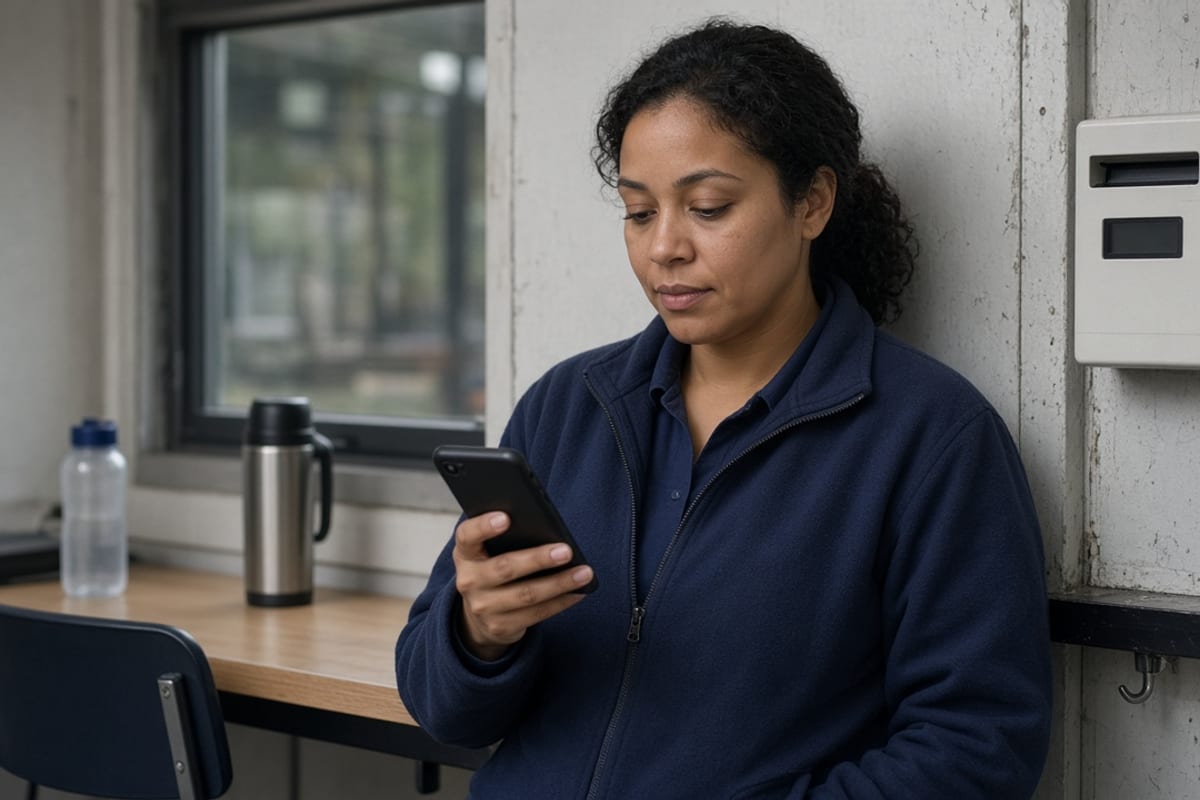
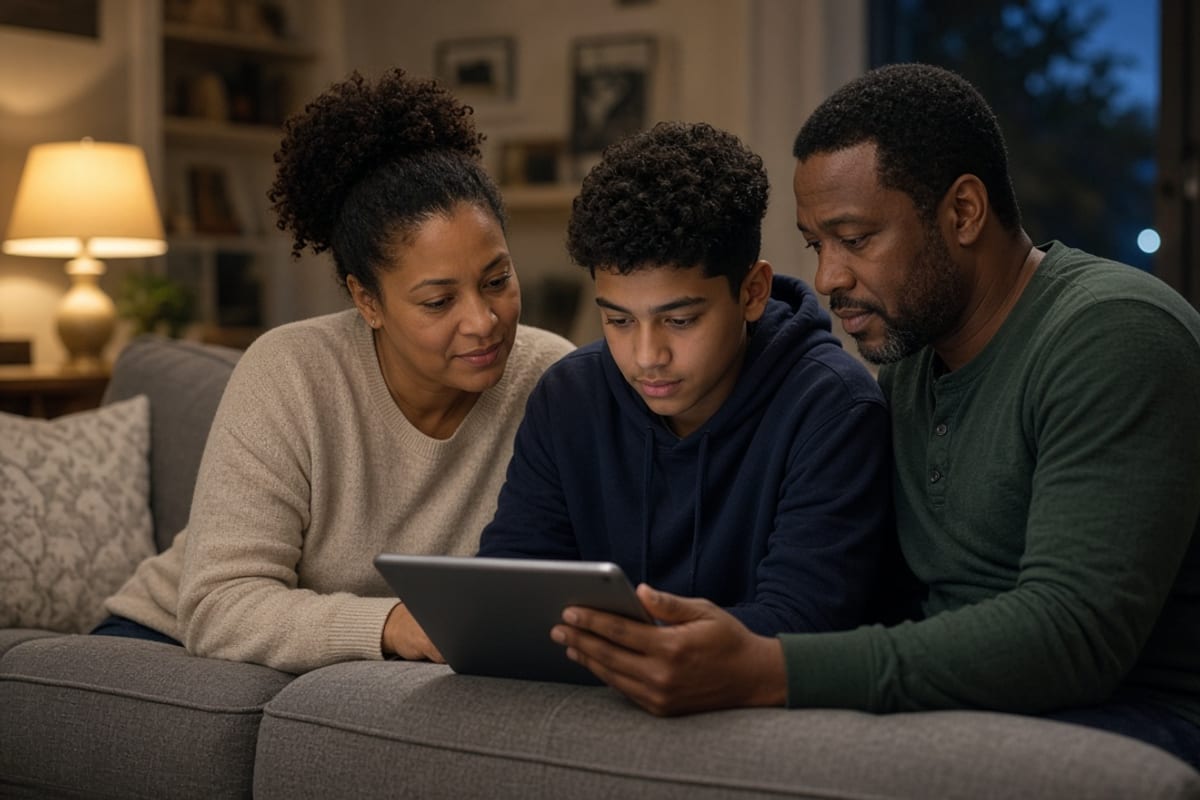
In many of the workforces we support — manufacturing, food, logistics, hospitality, schools — the employee can complete an English form at a kiosk and still go home to a household that makes care decisions in Spanish. If your portal requires a corporate login, you have built a wall in front of the decision-maker. The Spanish file behind that wall does not count.
Put the Spanish (and any other language you commit to) on an open page, send it by SMS, and make it forwardable. SMS is the channel that actually arrives; email is the channel that arrives for people who already have a desk. That pairing is the same one in our SMS guide and the deskless playbook. Language without reach is a brochure.
Do not assume one “Hispanic” segment. Country of origin, literacy, and preferred channel vary. What does not vary is the need for dollars, a next step, and a phone number that does not dump them into an English-only tree after the first prompt.
What to translate first this quarter
Week one: the 30-day life-event warning and the enrollment start. Week two: the “where to go” card — ER vs. urgent care vs. telehealth vs. primary care — with example costs from your actual plan. Week three: how to add a spouse or child, because that is the election families miss. Week four: the five most-asked questions your bilingual staff already answers out loud. Stop there. Measure. If tickets in Spanish do not drop and the “I didn’t know” stories do not drop, you translated the wrong things, not too few things.
Open enrollment gets a Spanish timeline, not a Spanish novella. Dates, what to do this week, what it costs per paycheck, and how to finish on a phone. Pair it with the English enrollment playbook so the two programs stay in sync — a Spanish campaign that lags the English one by a week is how you create a second class of deadline.
Staffing the exception path
A translated page with an English-only call center is a broken promise. If you publish Spanish, someone has to answer in Spanish — or the page should say, honestly, that the phone line is English and the next step is a callback within one business day from a bilingual specialist. Honesty outperforms a “press 2” that dies in a queue.
Managers still get asked first. If your supervisor population is mixed-language, the one-page manager card needs both languages, and it needs the same rule as always: do not guess about coverage. Escalate. A well-meaning manager translating a deductible out of memory is how rumors start on a shift.
Languages beyond Spanish
Spanish is the right first language for most U.S. employers by headcount. It is not the only one. After Spanish, let the census decide: Portuguese in some food plants, Haitian Creole in some hospitals, Vietnamese or Chinese in some coastal manufacturing, Somali or Hmong in specific regions. Do not add a language because a vendor has a package. Add it when you can staff the exception path and keep the files current when the plan year changes. An outdated translation is worse than no translation, because it looks official.
When you cannot yet staff a language, offer a short list of decisions in that language and a clear escalation — not a 40-page PDF you cannot maintain. Depth in two languages beats a thin veneer in eight.
Key takeaways
- Translate the decisions that create claims and tickets, not the entire binder.
- Rewrite into decision language in English first; then translate. Jargon in Spanish is still jargon.
- Put Spanish on an open, forwardable page and SMS — the household is often the decision-maker.
- Do not publish a language you cannot staff or keep current at plan-year change.
- A Spanish campaign that lags the English deadline creates a second class of employee.
Frequently asked questions
Do we have to translate the full Summary Plan Description?
Not first. Start with enrollment, adding a dependent, visit cost, where to go for care, and how to reach a human. Those five change behavior. A full SPD translation is a later compliance and access project, and it is wasted if the household still cannot open the file without a corporate login.
Is Google Translate good enough for benefits emails?
For a low-risk reminder (“sessions are Thursday”), a machine draft plus a bilingual reviewer is often enough. For costs, eligibility, or anything that could be quoted back to you in a grievance, use a human translator and keep the English source approved. The failure mode is not awkward phrasing. It is a number that is wrong.
Should we send every message in English and Spanish?
Send in the language the recipient uses, if you know it. Dual-language blasts make emails long and SMS unusable. When you do not know, offer a one-tap language choice on the first open resource page and remember it. Defaulting everyone to both is how neither version gets read.
How do we know multilingual communication is working?
Watch QLE completions and enrollment by language preference, Spanish-language ticket volume, and whether “I didn’t know” stories concentrate in one language. If English utilization moves and Spanish does not, you have an English program with a translated attachment — not a bilingual program.
Need to reach the household in the language they actually use? The employer scorecard takes three minutes.
Pairs strategic thinking with a drive to get it right every time. With 16+ years of experience — including a communication practice in Sydney, Australia — she specializes in simplifying complex benefit programs.