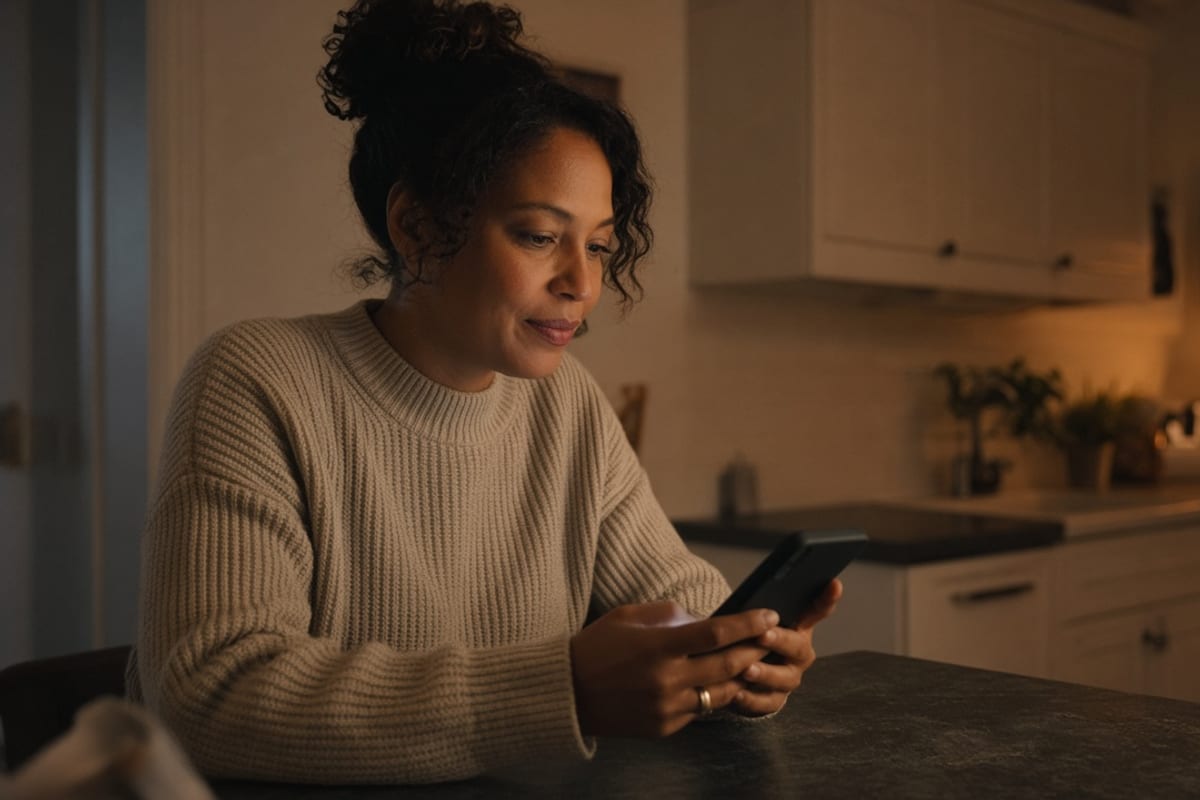
Most companies do not have a benefit problem. They have a reach problem. Reach Equity™ means every person who needs the information — at a desk or not, at work or at home, in the language the household uses — has a fair chance to receive it, understand it, and act. A blended open rate that hides the floor is not equity. It is an average.
Eighty-six percent of employees say they are confused by their benefits. Forty-one percent do not understand last year’s pick. That is often coverage, not copy: the message never arrived, arrived only in English, or arrived only to the employee. Reach Equity™ is a trademark of Touchpoints. LinQed Online is how 1,000+ companies stop treating “we sent it” as “they got it.” The field guides: deskless, household, language.
Desk is not the default human
Email, intranet, a noon webinar, and SSO were built for people who sit in front of a company account. That population is real. It is not the workforce. Desk still has a job — detail, comparison, Teams nudges. A 90% email open rate tells you nothing about the warehouse. Report desk as its own segment. The same deadline needs two delivery designs. One email to a list that includes people without mailboxes is how equity dies in the CC field.
Deskless is where most programs quietly fail
Frontline and shift people have a personal phone, not a reason to visit the intranet. Reach Equity™ here is SMS with documented consent, a no-login page, print where people pause, and a named human on site. If they would not see a required message within 48 hours, you have a hope. Collect contact at onboarding and enrollment — do not import HRIS numbers and call it consent. An enrollment that only uses the work inbox fails that test; see why email-only open enrollment fails frontline teams.
Measure this segment alone. If enrollment and care mix move at HQ and stay flat on the floor, you had a channel gap, not a culture gap.
The household is a primary audience
Dependents drive a large share of claims. The person who decides whether a fever is an ER visit often does not work for you. Fair communication opens without the employee’s login — dollars, a next step, a phone number that does not demand an employee ID. One message per season written to be shown at home. An optional household contact with a real opt-in, not scraped from emergency contacts. If you cannot say what share of family coverage can even receive a message, you are hoping the family overhears it.
Language is reach, not a translation project
A guide that exists only in English is a wall. Translate the decisions that create claims — enroll, add a dependent, visit cost, where to go, how to reach a human — and put them on SMS and an open page. Staff the language you publish, or say you cannot yet. A Spanish campaign that lags the English deadline is a second class of employee. Depth in two languages beats a veneer in eight you cannot keep current. An outdated translation looks official. That is worse than none.
How to score it so it stays a standard
For each slice — desk, deskless, household-reachable, language — estimate 48-hour reach, then on-time action. A blended 80% that is 98% at HQ and 40% on third shift fails Reach Equity™. Measure the four walls, close the largest hole, then rewrite content. The employer scorecard shows the gap. The platform is LinQed Online. Walkthrough: contact. Advisory firms: brokers.
Fair is not a tone. Fair is whether the night shift, the spouse, and the household that decides in Spanish got the same chance to act as the person who lives in Outlook. That is Reach Equity™.
Key takeaways
- Reach Equity™ is a fair chance to receive, understand, and act — desk, deskless, household, and language.
- A blended reach number that hides the floor is a fail, not an 80.
- Desk channels are for detail. They are not proof the workforce was covered.
- Deskless reach is SMS, a no-login page, print where people pause, and consent you can show.
- If the spouse cannot open the page, the household is not in your audience. They are in your claims file.
- Translate decisions, staff the language you publish, and keep English and other-language deadlines in sync.
Frequently asked questions
What is Reach Equity™ in benefits communication?
Reach Equity™ is Touchpoints’ standard that every employee — and the household that uses the plan — has a fair chance to receive, understand, and act on benefits information, regardless of desk vs. deskless work, login access, or language. It is a trademark of Touchpoints. It is measured by segment reach and action, not by a blended open rate.
How is Reach Equity™ different from “we already email everyone”?
Email everyone is a desk tactic. It excludes people without a usable company inbox, people who will not see mail on shift, and almost every spouse. Reach Equity™ starts by mapping who that send cannot reach, then adds channels and open pages until the 48-hour test passes for each slice. Sending more email does not close a hole email cannot see.
Do we have to fix deskless, household, and language at once?
Measure all four walls first so you know the largest hole. Close that one — usually frontline contact data or a no-login family page — before you buy another content project. You can stage language after the open page exists, or you will translate a wall. The order is distribution, then language depth, then copy polish.
How do we report Reach Equity™ to leadership?
One table: segment, 48-hour reach, on-time action, and one promoted behavior. Show the gap, not a story about effort. Attach a conservative dollar only when you have a mix shift or a funded action and a carrier unit cost. Leadership will fund a coverage problem. They will not fund a vague engagement narrative.
See where your reach fails. The employer scorecard takes three minutes.
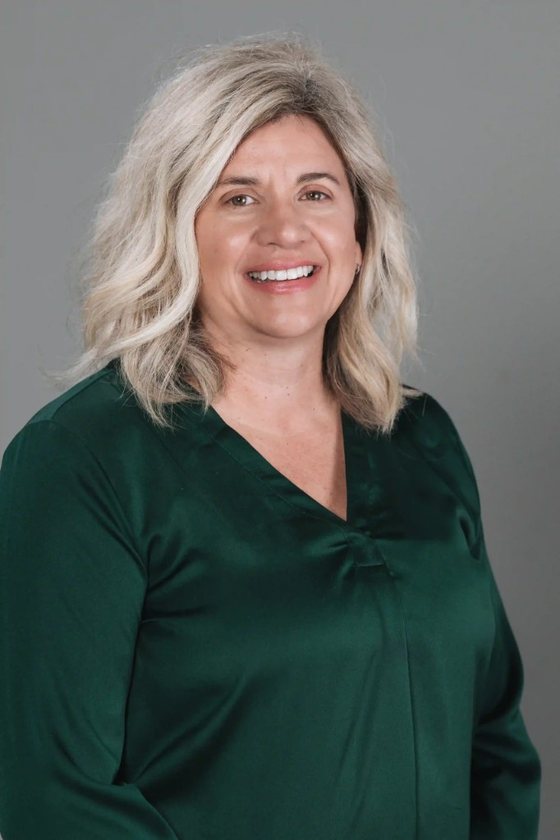
Pairs strategic thinking with a drive to get it right every time. With 16+ years of experience — including a communication practice in Sydney, Australia — she specializes in simplifying complex benefit programs.